
Seminars & Events
Highlight
Dr. Keun Hong Son of SNU Announces Completion of Dog Epigenome Map and Development of Gencube Big Data Integration Tool
On August 5, the Center for Genome Engineering (CGE) hosted a seminar titled "Comparative Multi-omics Across Diverse Species: Paving the Way for Genomic Innovations". The speaker was Dr. Keun Hong Son of Seoul National University's College of Veterinary Medicine (https://keun-hong.github.io/). Introducing himself as an "Evolutionary Cancer Biologist," Dr. Son is a next-generation researcher who integrates comparative genomics and multi-omics to investigate the principles of disease resistance and susceptibility across species.
In the seminar, Dr. Son presented the two core achievements of his doctoral research. The first is the EpiC Dog project, which established the world's first comprehensive epigenome map for 11 canine tissues. The second is the development of Gencube, a computational tool for integrating global genomic big data.
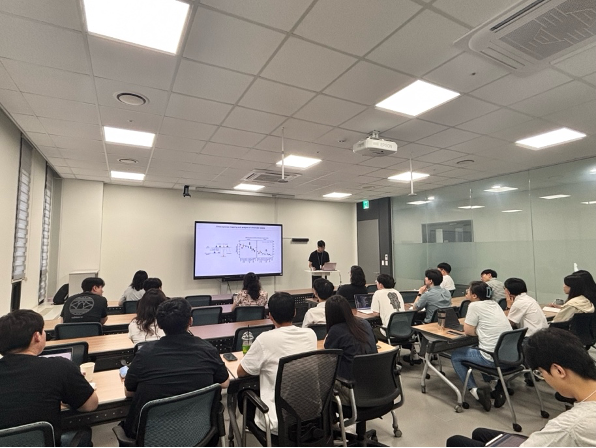
Figure 1. Scene from the CGE Internal Seminar held on Aug. 5
EpiC Dog: Completing the Canine Epigenome Map
The canine genome shares a high degree of similarity with the human genome, making it a valuable model for disease research. However, despite the availability of high-quality genome sequences, there has been a significant lack of functional annotation for non-coding regions that regulate gene function. This limitation has forced researchers to use inaccurate methods, such as mapping human or mouse data onto the dog genome. The EpiC Dog project is a pioneering study that provides the first epigenomic blueprint for the dog, filling this critical gap.
The research team collected samples from 11 major tissues, including the brain, liver, and kidney, from beagle dogs and applied next-generation sequencing (NGS). Through this, they generated a vast multi-omics dataset, including transcriptomes (RNA-seq), profiles of five major histone modifications (ChIP-seq), and DNA methylomes (MBD-seq). By integrating this data with a multivariate hidden Markov model, the team defined and mapped the functional state of the genome into 13 distinct chromatin states, such as promoters, enhancers, and repressed regions.
This complete epigenome map makes it possible to trace the tissue of origin for genetic variants (from GWAS) associated with specific diseases or traits. Notably, the study revealed that the dog epigenome is significantly more conserved with the human epigenome than with the mouse, demonstrating at the epigenetic level that dogs are a highly suitable model for human disease research.
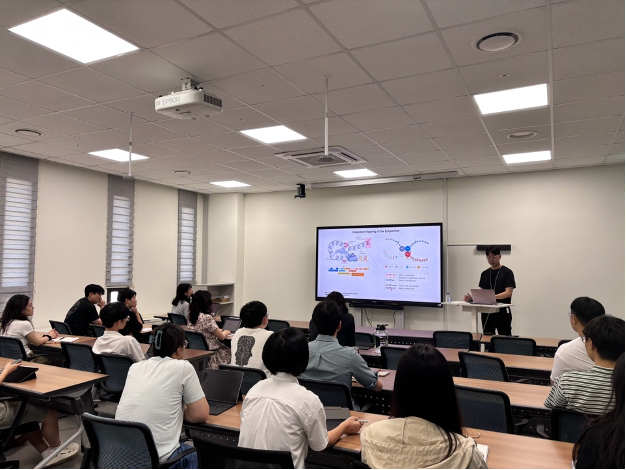
Figure 2. Dr. Son presenting at the seminar
Gencube: Unifying Global Genomic Big Data
As the volume of genomic data increases exponentially worldwide, researchers face significant challenges in collecting and integrating vast datasets scattered across multiple databases. The process has been complicated and time-consuming, particularly due to inconsistent chromosome naming conventions and complex data search procedures. Gencube is the first centralized command-line tool for multi-omics data retrieval and integration, developed to solve these problems.
Gencube is an open-source software based on Python. It enables users to search and download six key data types—genome assemblies, gene sets, functional annotations, transcript and protein sequences, comparative genomics data, and NGS experimental data—from major databases at once.
Its most innovative feature is the ability to automatically unify different chromosome naming conventions (e.g., ‘chr1’ vs. ‘1’) to suit the user’s needs. Furthermore, its seqmeta subcommand automatically organizes complex NGS experimental metadata into intuitive, table-based formats at both the experiment and study level. This allows researchers to dramatically reduce data processing time and perform large-scale comparative genomics studies with greater speed and accuracy.
Dr. Son's work is highly synergistic and impactful: the EpiC Dog project produced high-quality foundational data, while Gencube provides the powerful tool needed to analyze this data in comparison with other species worldwide. Based on this comparative multi-omics approach, he announced his plans to investigate the anti-cancer mechanisms of cancer-resistant animals to advance the treatment of cancer in both humans and dogs.
Reference)
- Son, Keun Hong, et al. "Integrative mapping of the dog epigenome: reference annotation for comparative intertissue and cross-species studies." Science Advances 9.27 (2023): eade3399.

- 55, Expo-ro, Yuseong-gu, Daejeon, South Korea, 34126 Tel. +82-42-878-8310
Copyright(c) 2022 Center for Genome Engineering Research at IBS. All Rights Reserved.