
Seminars & Events
Highlight
Questioning the Boundaries of Genome Editing – Science Cookies Seminar on April 30
The Science Cookies seminar, hosted twice a month by the Center for Genome Engineering at the Institute for Basic Science (IBS), is a unique forum that blends scientific imagination with technical feasibility. Modeled after the spirit of science fiction, the seminar invites participants to explore speculative yet scientifically grounded ideas and to evaluate their potential for real-world application. Led by graduate student presenters, each session fosters in-depth discussion grounded in scientific knowledge and technical analysis. What sets Science Cookies apart is its commitment to creating an intellectual space where imagination, science, and ethics converge.
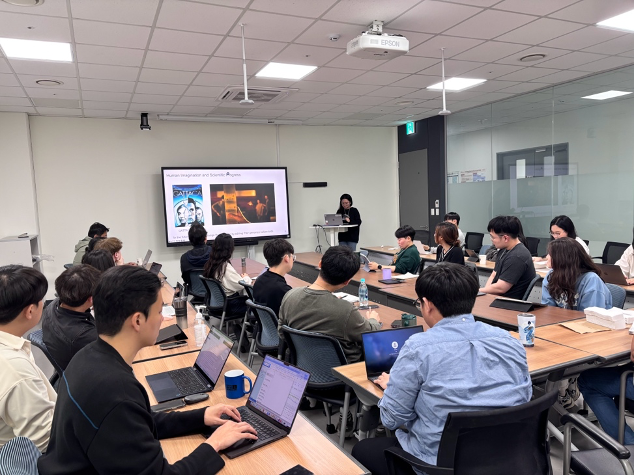
Figure 1. On-site Science Cookie Seminar on April 30, 2025
On April 30, the seminar was held under the theme of “Germline Genome Editing.” The event was divided into two parts. In the first session, participants engaged in a lively discussion on the ethical and societal implications of editing genomes at the embryonic stage. As genome editing technologies advance—offering the possibility to eliminate genetic disorders or even design physical traits—opinions were divided. Some participants supported the idea under the assumption of technological safety and minimal risk, especially in cases where severe genetic diseases could be prevented. Others raised strong ethical concerns, emphasizing that such interventions bypass natural selection, may carry unforeseen risks, and pose questions about consent, particularly because the edited individual has no say in the decision. The debate highlighted the need for thoughtful consideration of both individual rights and broader social consequences.
The second part of the seminar shifted toward the technical aspects of genome detection. Emerging RNA-based technologies such as SNIPR, RENDER, and StitchR were introduced, along with a novel proposal for a ribozyme-cleavage-based multi-SNV detection platform. This system relies on RNA secondary structure dynamics that allow a ribozyme to cleave specific sequences only in the presence of target single nucleotide variants (SNVs). Upon cleavage, a luciferase reporter is activated, producing a visual signal that indicates SNV presence. This method offers a promising route for detecting multiple SNVs simultaneously without sequencing, potentially increasing the precision of germline genome editing. However, participants noted that the efficiency of the system is highly dependent on factors such as RNA structure and GC content, and that further optimization would be needed.
By organizing Science Cookies, the IBS Center for Genome Engineering aims to go beyond conventional knowledge-sharing formats and cultivate a platform that encourages creative scientific thinking and open discussion. The seminar enables young researchers to explore scientific ideas through the lenses of ethics, technological innovation, and social impact. As a result, Science Cookies has become a vibrant arena for scientific dialogue, fostering intellectual engagement both within and beyond the laboratory. The center plans to continue this initiative as a way of bridging advanced science with societal considerations.

- 55, Expo-ro, Yuseong-gu, Daejeon, South Korea, 34126 Tel. +82-42-878-8310
Copyright(c) 2022 Center for Genome Engineering Research at IBS. All Rights Reserved.