
Seminars & Events
Highlight
Cellweaverse CEO Gunsik Cho Presents a New Paradigm in Endotoxin Testing with Horseshoe Crab Blood Cell Culture Technology
On July 9, the Center for Genome Engineering (CGE) at the Institute for Basic Science hosted a seminar featuring Dr. Gunsik Cho, the founder and CEO of the biotech startup Cellweaverse.
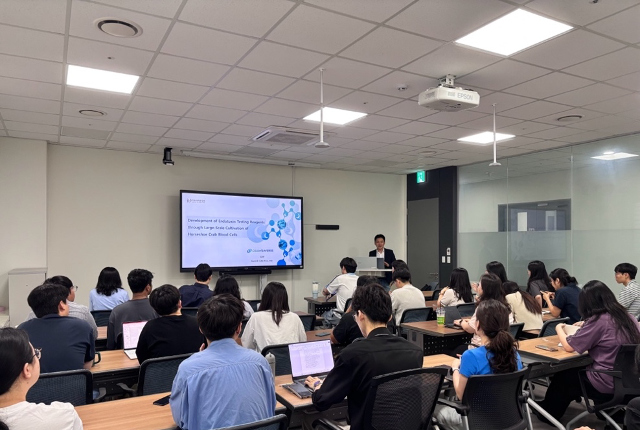
Figure 1. On-site coverage of the CGE Internal Seminar held on July 09
Dr. Cho is an entrepreneur and researcher with deep expertise in cell biology and biomedical materials. He earned his Ph.D. in Life Sciences from POSTECH and later completed a postdoctoral fellowship at the Johns Hopkins University School of Medicine, focusing on stem cell-based cardiac and neural research. He has also served in key leadership roles at prominent Korean biotech firms such as NEXEL and Oncoclew. Having recently obtained an MBA from KAIST, Dr. Cho combines profound scientific knowledge with proven business acumen.
In his presentation, titled "Development of Endotoxin Testing Reagents through Large-Scale Cultivation of Horseshoe Crab Blood Cells," Dr. Cho addressed the critical limitations of current endotoxin testing methods and introduced Cellweaverse's innovative technological solutions.
The Enduring Dilemma of the LAL Test
Endotoxin is a toxic substance derived from bacteria that can cause fatal septic shock if it enters the human body, making its detection an essential safety assessment in the pharmaceutical, medical device, and food industries. Since 1977, the gold standard for this test has been the Limulus Amebocyte Lysate (LAL) assay, which is derived from the blood of the horseshoe crab. However, this method faces a severe dilemma. The process involves an unethical harvesting method where live horseshoe crabs are immobilized to have their blood drawn. This excessive harvesting has led to a significant decline in their population, causing severe ecological damage and placing the species on the endangered list. Compounding these issues are increasing regulations on the use of animal-derived materials, particularly in Europe. Attempts to solve these problems with alternatives, such as recombinant proteins, have been attempted but have not matched the performance of traditional LAL.
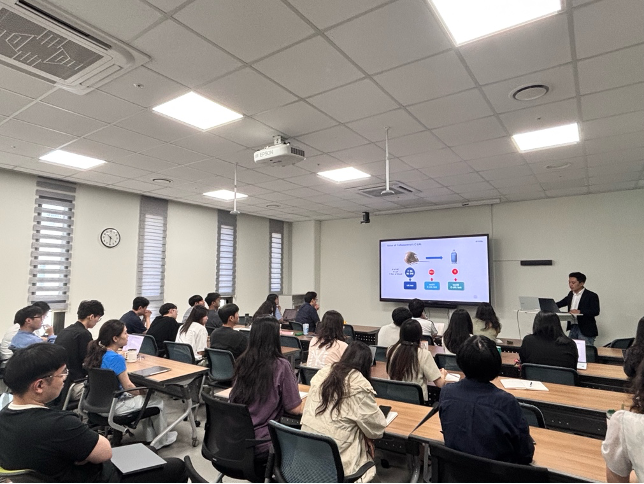
Figure 2. Dr. Gunsik Cho is giving the seminar.
Cellweaverse's Breakthrough: Culturing the Unculturable
Cellweaverse has developed a fundamental solution to this problem: directly culturing the horseshoe crab's blood cells, known as amebocytes, to produce the LAL reagent in a laboratory setting. This revolutionary approach allows for the infinite production of the key components of LAL without sacrificing any horseshoe crabs. The core of this technology is Cellweaverse’s proprietary Cellular Microenvironment and Cultivation Platform (CMCP) and a specialized culture medium, CW-MIX, which can replace animal-derived fetal bovine serum (FBS). Dr. Cho announced that after isolating amebocytes from a small amount of horseshoe crab blood, his team successfully achieved high cell viability and proliferation rates using this specialized system.
Validation and Performance
The resulting product, C-LAL (Cultured LAL), has been proven to perform at a standard equivalent to conventional LAL in the most critical validation step: the sensitivity test. Through the gel clotting test, C-LAL demonstrated sufficient sensitivity and reaction time for endotoxin detection. As a result, C-LAL has established itself as a sustainable endotoxin testing solution that successfully achieves the three key advantages of high sensitivity, no animal sacrifice, and low production cost.
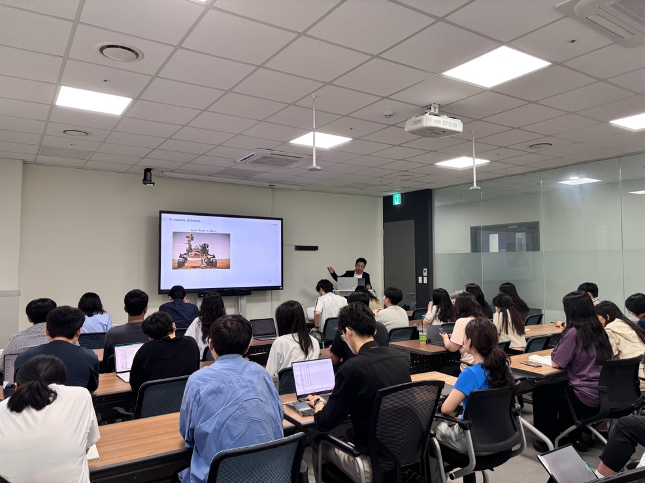
Figure 3. Dr. Gunsik Cho explaining the value of Cellweaverse's products.
A Vision for Sustainable Biotechnology
Dr. Cho's presentation signifies a major breakthrough, shifting a vital biomanufacturing process from a dependency on animal harvesting to one based on cutting-edge, sustainable cell culture technology. In addition to C-LAL, Cellweaverse is developing a robust pipeline that includes C-Heparin (produced using porcine mastocytes), with product commercialization planned between 2025 and 2028. This work is the first major step in realizing the company's firm mission:
"Providing Animal derived material without Animal through cutting-edge cell culture technology."
※ Reference
- Cellweaverse Homepage: https://cellweaverse.com/

- 55, Expo-ro, Yuseong-gu, Daejeon, South Korea, 34126 Tel. +82-42-878-8310
Copyright(c) 2022 Center for Genome Engineering Research at IBS. All Rights Reserved.