
Seminars & Events
Highlight
Advancing Personalized Treatment in Gastrointestinal Cancers – Dr. Tim Schmäche Leads Precision Oncology Using Patient-Derived Organoids
On May 20, the CGE Internal Seminar was held in the Genome Editing Research Center seminar room at the Institute for Basic Science, focusing on cancer therapy using Patient-Derived Organoids (PDOs).
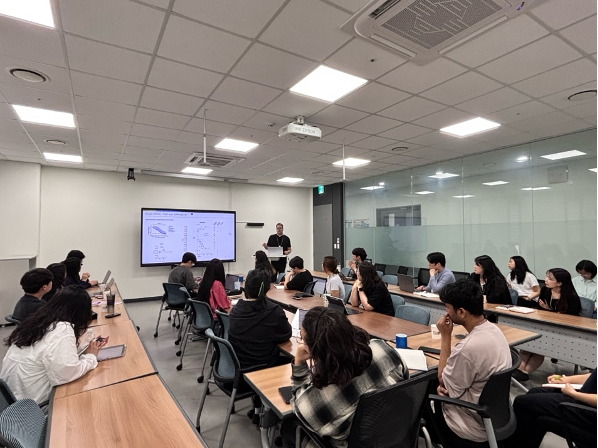
Figure 1. Scene from the CGE Internal Seminar held on May 20
Dr. Tim Schmäche, a postdoctoral researcher at the National Center for Tumor Diseases (NCT) in Dresden and the University Hospital Carl Gustav Carus under the supervision of Prof. Daniel Stange, is spearheading research to enhance therapeutic responsiveness in gastrointestinal cancers, with a particular focus on esophagogastric adenocarcinoma (EGAC).
Dr. Schmäche's work centers around the use of patient-derived organoids (PDOs) to predict drug responses before clinical administration, aiming to improve treatment efficacy while reducing unnecessary interventions. His team has established a systematic platform that evaluates the responsiveness of organoids—generated directly from individual patients’ tumors—to both standard chemotherapies and targeted agents, thereby guiding personalized treatment strategies.
Currently, the lab maintains an extensive biobank consisting of over 250 primary EGAC PDOs and more than 50 metastatic PDOs sourced from various organs including the brain, lungs, lymph nodes, liver, peritoneum, and pleura. This comprehensive resource not only enables in-depth studies on treatment resistance and tumor heterogeneity but also serves as a collaborative hub for national and international researchers.
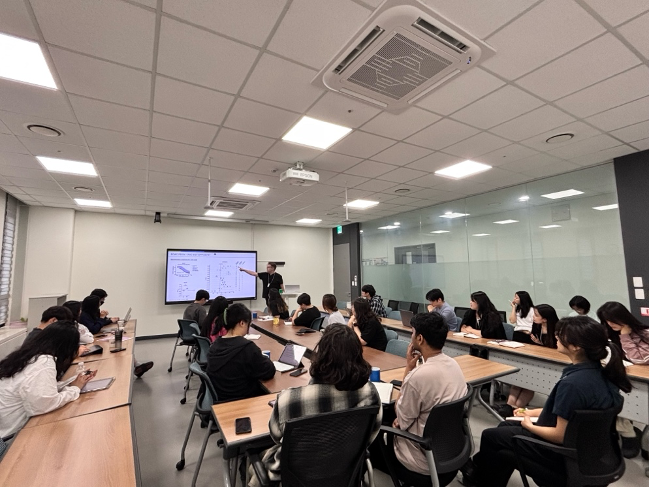
Figure 2. Dr. Tim Schmäche presenting at the seminar
Dr. Schmäche's research focuses on modeling disease using PDOs and quantitatively assessing the predictive value of drug responses. He is actively conducting high-throughput drug screening not only with existing anticancer drugs but also with emerging therapeutic candidates. This work contributes to the development of personalized treatment regimens and to unraveling the mechanisms of drug resistance in EGAC.
Dr. Schmäche is currently collaborating with Dr. Bon-Kyoung Koo, director of the Center for Genome Engineering at the Institute for Basic Science (IBS) in Korea, through a joint ERC-funded project. The two laboratories maintain a close and ongoing partnership in the field of precision oncology. Their collaboration focuses on decoding the heterogeneity of treatment response and resistance in EGAC using PDOs, and on co-developing preclinical drug prediction platforms. Their research goes beyond organoid modeling, aiming to deliver original and patient-centric scientific advances—such as designing tailored therapies based on metastatic profiles and predicting complex drug responses through dynamic modeling—that have the potential to directly impact real-world clinical decision-making.

- 55, Expo-ro, Yuseong-gu, Daejeon, South Korea, 34126 Tel. +82-42-878-8310
Copyright(c) 2022 Center for Genome Engineering Research at IBS. All Rights Reserved.